
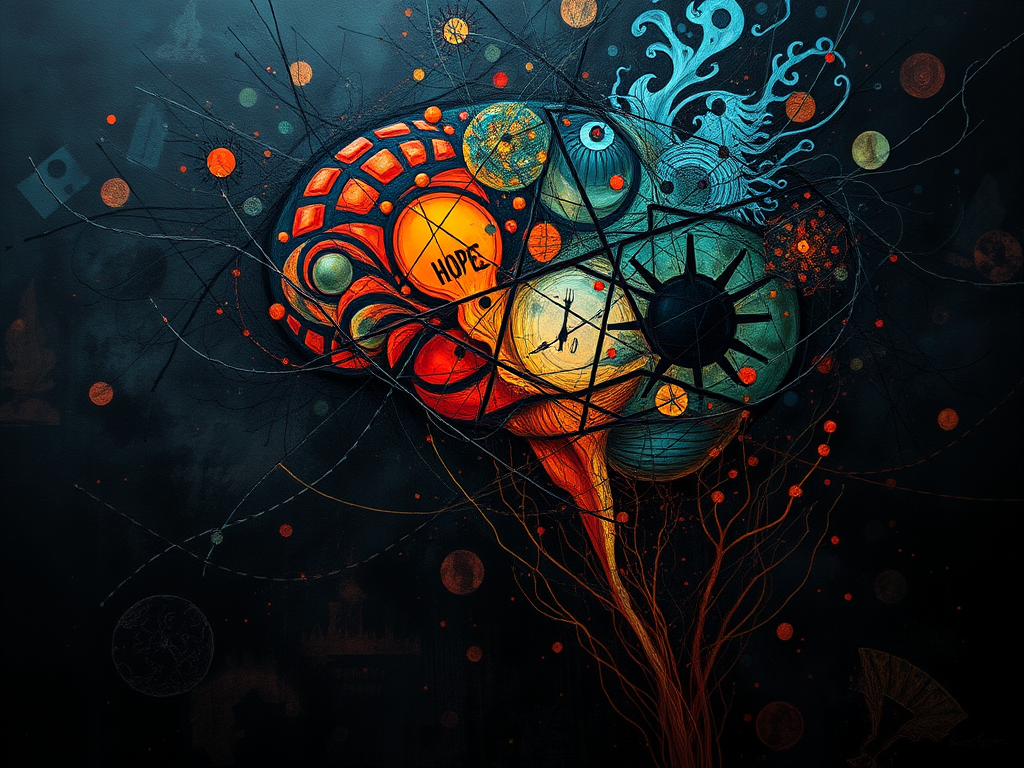
In case you forgot… you are still an addict. Not because you’ve failed. Not because you’re weak. But because addiction isn’t a chapter you close—it’s a language your brain learned long ago, and it still whispers in the background even when you’ve been sober for years.
Sobriety doesn’t erase the wiring. It just teaches you how to live with it.
The truth is uncomfortable: the addict mind doesn’t need a bottle or a pill to wreak havoc. It’s creative. It adapts. It finds new ways to chase the high, new ways to sabotage, new ways to convince you that imagination is reality and reality is a threat. Your brain lies. Your mind plays tricks. And sometimes it becomes nearly impossible to tell the difference between what’s true and what’s just fear wearing a convincing mask.
When you stop drinking or using, the addiction doesn’t evaporate—it migrates. It looks for new hosts. New obsessions. New people to cling to. New relationships to drain. New dopamine sources to worship.
And because there’s no bottle in your hand, it’s harder to recognize. Harder to admit. Harder to call out. You can be completely sober and still watch your life shatter into a million pieces because you stopped working the program, stopped doing the internal maintenance, stopped checking in with yourself.
Addiction doesn’t always look like relapse. Sometimes it looks like codependency. Sometimes it looks like obsession. Sometimes it looks like self-destruction. Sometimes it looks like chasing validation the way you once chased a drink.
So how do you avoid the snare of the mind? How do you stay healthy when the old self still lurks in the shadows, waiting for a moment of weakness?
You remember the truth: sobriety is not the same as recovery. Recovery is active. Daily. Intentional. It’s the work you do when no one is watching. It’s the honesty you practice even when it’s uncomfortable. It’s the willingness to admit, “I’m slipping,” before you fall.
You stay connected—to people who ground you, not people who feed the addiction in disguise. You stay humble—because the moment you think you’re “cured,” the old self sees an opening. You stay curious—about your triggers, your patterns, your emotional blind spots. You stay honest—with yourself most of all.
And you remember that the addict mind isn’t your enemy. It’s a part of you that needs boundaries, structure, and truth. It’s the part that once tried to protect you, even if it did so in destructive ways. You don’t defeat it. You learn to live with it. You learn to recognize its voice. You learn to choose differently.
Any amount of sober time is a triumph. But staying healthy means acknowledging that the work isn’t over—and that’s not a failure. That’s the journey.
